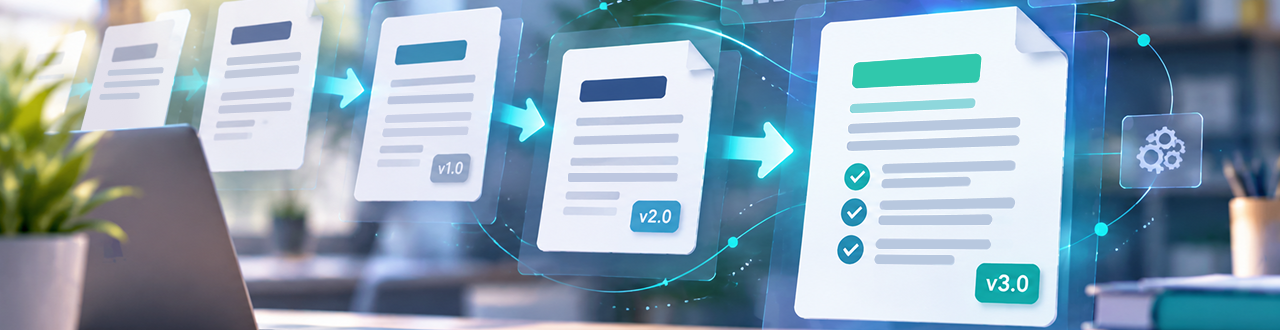
Educational standards are constantly evolving. New frameworks are introduced, existing standards are revised, and new areas of education continue to develop as the needs of students, educators, and employers change.
Career and Technical Education is a good example. As states continue to refine career pathways and the skills students need to enter the workforce, new standards are being developed and existing ones are being updated. For organizations that rely on standards data, keeping up with those changes can become a significant undertaking.
Finding the latest standards is only the first step. The information also needs to be collected, reviewed, structured, and incorporated into a repository in a way that makes it useful to the organizations relying on it.
That is a big part of the work happening at EdGate today.
Expanding Our CTE Standards
For nearly 30 years, EdGate has maintained and organized educational standards from thousands of subject organizations across the U.S. and internationally. That experience has given our team a strong understanding of the work involved in bringing standards from their original sources into a structured format that organizations can use.
Our team is currently putting considerable effort into expanding our CTE standards coverage. As states update their career-focused standards and introduce new frameworks, we are working to bring those standards into the repository so our clients can access them alongside the other standards they already use.
There is a meaningful process between finding a new standards set and preparing it for client use. Given the variability across frameworks, our team must confirm the correct source, assess changes, ingest the information, align it to our internal structure, and conduct a review of the results.
CTE adds another layer to that work because it covers a wide range of career pathways and technical skills, many of which continue to change as industries and workforce needs change.
Building Better Ways to Manage the Work
As the number of standards we work with continues to increase, we also have to think about how we manage the work itself. Relying entirely on manual processes would make it increasingly difficult to process new and updated standards efficiently.
This is one area where we are beginning to apply AI in a very practical way.
EdGate is developing proprietary AI models to assist with standards ingestion and maintenance. These models are being built around the standards knowledge and structured information we have developed over nearly three decades, rather than treating standards as just another type of document to process.
The technology can help our team work through large amounts of information more efficiently and assist with some of the more repetitive parts of the ingestion process. Our standards experts still play an important role in reviewing the information, understanding the context of a framework, and determining how it should be represented in the repository.
For us, that distinction matters. We are not looking to take the knowledge out of standards management. We are looking for better ways to apply that knowledge as the amount of information we manage continues to grow.
Keeping the Repository Current
For our clients, standards are rarely used in isolation. They can be connected to curriculum, assessments, content, reporting, product development, and a variety of other systems and workflows.
When a standard changes, those changes can have an impact well beyond the document itself. Organizations need to know that they are working from current information, and they need that information in a format that can be incorporated into their own products and processes.
That makes maintaining a standards repository very different from simply building a collection of documents. It requires an ongoing effort to monitor changes, bring new standards into the system, and make sure the information remains organized and usable.
Our work with CTE is one example of that effort. We are expanding the standards available in the repository while also investing in the technology that will help us manage a growing volume of standards more efficiently.
We are taking the same approach across other areas of the repository, including our continued expansion of international standards. As new frameworks become available and existing ones are updated, our focus remains on making that information accessible and useful to the organizations that rely on it.
Keeping Pace Without Losing the Expertise
Technology gives us new ways to approach standards management, but it does not change the importance of understanding the standards themselves.
The knowledge our team has built over the years around how standards are structured, how they relate to one another, and how organizations use them remains central to this work. New tools can help us work more efficiently, but they still need to be applied with an understanding of the standards themselves.
The challenge is not simply adding more standards. It is keeping pace with how standards are changing while continuing to provide the structure, consistency, and expertise our clients depend on.
That is where we are putting our attention now, and CTE is one of the areas where that work is already well underway.
Interested in learning more about our expanding CTE standards coverage? Talk with our team to see what's currently available and what's coming next.